Discover our new Breast Cancer Hotline here
Breast Cancer Hotline
There is a great deal of information available about breast cancer, but it is not always easy to access or reliable. Furthermore, there are still many questions, doubts, and misconceptions about the disease. What are the nine warning signs of breast cancer? What about heredity and screening?
Through its breast cancer hotline, “ Pink Ribbon ” aims to better understand the questions and concerns of people with and without breast cancer. The nonprofit organization wants to identify where information is lacking, where there is confusion, and what misconceptions are circulating. After all, the better we understand what people are going through, the more effectively we can help them with reliable and understandable information.
Anyone can submit a question, concern, or clarification. So you don’t have to have breast cancer yourself to use the help desk. For example, you can contact us with questions about the warning signs of breast cancer, detection and screening, risk factors and heredity, a diagnosis or treatment, or living with and after breast cancer. Questions about breast cancer in men, common myths, or information you come across online or in your community are also welcome.
Pink Ribbon We collect the reports and work with experts and relevant partners to find reliable answers. We then share that information in an accessible way through our communication channels, so that as many people as possible can benefit from it.
The Breast Cancer Information Center is here to help you discuss your questions, address your concerns, and clear up any misunderstandings. Do you have a question, or are you unsure about information you’ve heard or read somewhere? Let us know! After all, your question might help others as well.
DISCLAIMER: Pink Ribbon does not provide personal diagnoses or individual medical advice through the reporting center. Do you have any symptoms or questions about your medical treatment? Please discuss them with your primary care physician or treating physician.
Ask your question here!
FAQ
- Can I eat soy products if I've had breast cancer?
- Yes. Soy products such as tofu, tempeh, and soy milk are safe, even if you’ve had breast cancer. Research does not show that soy increases the risk of recurrence. Be careful with soy supplements, however, because they contain highly concentrated amounts of plant compounds.
Want to know more? Find out in this article.
- Yes. Soy products such as tofu, tempeh, and soy milk are safe, even if you’ve had breast cancer. Research does not show that soy increases the risk of recurrence. Be careful with soy supplements, however, because they contain highly concentrated amounts of plant compounds.
- Does sunscreen increase the risk of breast cancer?
- No. There is no evidence that sunscreen increases the risk of breast cancer. Both mineral and chemical sunscreens are safe and help protect your skin from harmful UV rays. However, avoid sunscreens from unreliable online stores, as they may not provide the necessary protection.
Want to know more? Find out in this article.
- No. There is no evidence that sunscreen increases the risk of breast cancer. Both mineral and chemical sunscreens are safe and help protect your skin from harmful UV rays. However, avoid sunscreens from unreliable online stores, as they may not provide the necessary protection.
- Is it true that working night shifts increases the risk of breast cancer?
- Night work appears to have little direct impact on the risk of breast cancer. However, irregular work hours can affect your sleep and eating habits. As a result, you may be less active, which increases the risk of being overweight—a known risk factor for breast cancer. Healthy eating and lifestyle habits can help reduce that risk.
Want to learn more? Find out in this article.
- Night work appears to have little direct impact on the risk of breast cancer. However, irregular work hours can affect your sleep and eating habits. As a result, you may be less active, which increases the risk of being overweight—a known risk factor for breast cancer. Healthy eating and lifestyle habits can help reduce that risk.
- Are flight attendants more likely to get breast cancer?
- Breast cancer is more common among female flight attendants than among women in other occupational groups, but the exact cause remains unclear. Cosmic radiation and disruptions to the day-night rhythm are possible explanations, but research has not demonstrated a convincing link. As an airline passenger, you don’t need to be particularly concerned about this.
Want to know more? Find out in this article.
- Breast cancer is more common among female flight attendants than among women in other occupational groups, but the exact cause remains unclear. Cosmic radiation and disruptions to the day-night rhythm are possible explanations, but research has not demonstrated a convincing link. As an airline passenger, you don’t need to be particularly concerned about this.
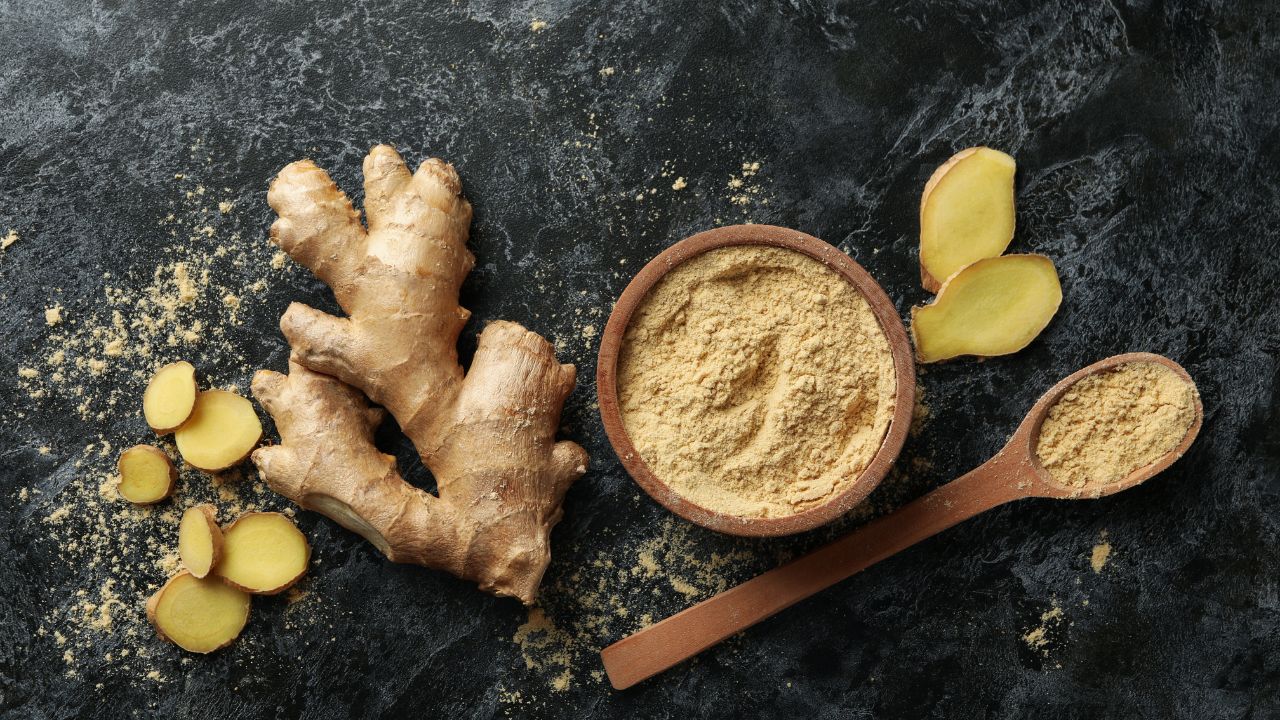
- Can I drink ginger shots if I've had breast cancer and am undergoing hormone therapy?
- Be careful with ginger shots if you’re taking hormone therapy, such as Nolvadex® (tamoxifen). Highly concentrated ginger could, in theory, reduce the effectiveness of these medications, although this has not yet been studied in patients. According to the article, normal amounts of ginger in your daily diet are not a problem. Furthermore, there is insufficient evidence that ginger shots reduce fatigue or aid in weight loss.
Want to know more? Find out in this article.
- Be careful with ginger shots if you’re taking hormone therapy, such as Nolvadex® (tamoxifen). Highly concentrated ginger could, in theory, reduce the effectiveness of these medications, although this has not yet been studied in patients. According to the article, normal amounts of ginger in your daily diet are not a problem. Furthermore, there is insufficient evidence that ginger shots reduce fatigue or aid in weight loss.
The new articles