Breast cancer among young women is on the rise

The Belgian Cancer Registry, which tracks breast cancer statistics, has observed a slight increase in breast cancer among women under 35. One in four cancer diagnoses occurs in this younger age group. Between 2018 and 2022, there were an average of 253 new diagnoses per year. In young women, breast cancers are more often triple-negative and more often hereditary. They are also more often detected at a later stage than breast cancer in women aged 50 and older, because young women are not invited for screening. It is therefore very important for them to be well aware of the warning signs.
Statements
Not only in Belgium, but throughout the Western world, there has been a slight increase in breast cancer among young women. There are several explanations for this: delayed childbearing, having fewer children, increasing body weight, diet, and exposure to endocrine-disrupting chemicals in the environment. Childless women, for example, have a 25 to 30% higher risk of breast cancer compared to women with at least one child. Each full-term pregnancy reduces the risk of breast cancer by about 7%. If a woman breastfeeds, she is even better protected.
In young women, being overweight increases the risk of certain types of breast cancer, including triple-negative breast cancer. An increasing number of young women are overweight, which helps explain the slight increase.
More and more studies are also pointing to endocrine-disrupting chemicals in the environment, including phthalates and certain pesticides, for example. Finally, ultra-processed foods should also be avoided. Ultra-processed foods are foods that have undergone complex industrial processing. Think of ready-to-eat products, frozen pizzas, or sugar-laden breakfast cereals with all kinds of additives. High consumption of such foods could increase the risk of various cancers, including breast cancer.
Excluding hereditary breast cancers, the slight increase among young women is due, on the one hand, to unhealthy lifestyle habits and, on the other hand, to the choice to remain childless. Fortunately, despite this slight increase, the risk of breast cancer remains very low—too low to warrant a screening program. That is why a good understanding of the warning signs is essential.
Test your knowledge with Mammoquiz.be
Continue reading
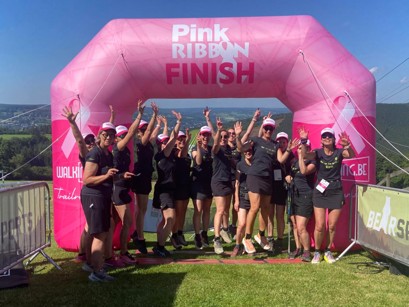
Pink Ribbon The nonprofit organization and Walking.be raised a total of €51,558.41
.png)
The Pink Walk therapy: “During the walks, I was able to switch off my monkey brain”
.png)


.png)
.png)








.png)