Private cancer clinics are preying on desperate breast cancer patients

Two years after being diagnosed with breast cancer, Claudia (37) received the devastating news that her cancer had returned, with metastases in her bones. According to Dutch doctors, the woman from Sittard-Geleen can no longer be cured, but medication could prolong her life—which she flatly refuses. That’s why she sought an alternative on her own and found a private clinic in Mexico that promises her a cure and claims the metastases can disappear again with a groundbreaking, holistic treatment, though without offering any guarantees. Claudia and her partner sold their house, raised nearly 60,000 euros through crowdfunding, and are leaving for Mexico the week of May 8. To the private clinic where they will treat her as a human being and not as a protocol, she says resolutely in the Dutch press and on her Instagram.
Flashy websites and fake reviews
Mexico is known for its private cancer clinics that offer people with advanced, sometimes terminal cancer a last-ditch hope—for a hefty fee—with the false promise that they might be able to cure them. The American Cancer Society has been warning cancer patients for many years to stay away from them. To no avail. These clinics employ a sophisticated marketing strategy. They ensure they rank high in Google search results and maintain active social media accounts on Facebook, Instagram, YouTube, Twitter, and TikTok. Nowhere on their websites does it state that they are unaccredited or that they use unconventional therapies. On the contrary, they give the impression that they offer the very latest in medical care: groundbreaking treatments that regular hospitals cannot afford. Another key way to attract patients is through their Google reviews: people like to read about others’ experiences before making a decision. Researchers from the London School of Hygiene and Tropical Medicine analyzed the reviews of 47 prominent alternative cancer clinics in 2024. On average, these clinics scored 4.5 out of 5 stars. The reviews were mostly very positive, some very personal and emotional, and occasionally negative as well. It is impossible to determine the proportion of fake reviews. Google barely monitors this, but says it is trying to address the issue using artificial intelligence.
A scientific twist
These clinics are quack clinics that thrive in countries such as Mexico, China, and Argentina, but also beyond. Their approach is becoming increasingly difficult to distinguish from the modern, proven therapies that conventional oncologists also use. These include, for example, experimental derivatives of immunotherapy. In addition, detox regimens, megadoses of vitamins, ozone therapy, and stem cell infusions are in vogue. They experiment without hesitation. Everything is cloaked in scientific jargon, so many patients don’t even realize what’s really going on. The treatments and the stay are extremely expensive, so selling everything you own is often the only option, or crowdfunding, which Claudia has since done in her desperation. The financial impact is enormous, because of course no insurance covers such therapies. The worst part, however, is that patients with advanced cancer who seek refuge here usually stop their regular treatment—the very treatments that do have a positive impact on life expectancy, even if you temporarily lose your hair or are exhausted for a long time. Breast cancer patients who survive for years with metastases are no longer an exception today, thanks to medical and pharmaceutical advances. No one with advanced disease has ever returned safe and sound from such an alternative cancer clinic.
Patient Days Pink Ribbon
Every cancer patient occasionally experiences feelings of despair. In that despair, some seek out alternative treatments that promise a cure. Unfortunately, people are making a fortune off of desperate cancer patients. It is important to stay within the mainstream medical system and follow the advice of your oncologist, because you have the best chances of survival at an accredited breast clinic. In addition, it is perfectly fine to seek support through homeopathy, acupuncture, yoga, or reiki—if it helps make your treatments more bearable. Talk about this with fellow patients, exchange information, get together, and talk to one another. Pink Ribbon Patient Days for women and men with breast cancer. We provide reliable information and connect participants with professionals and fellow patients. We do everything we can to keep you out of the hands of quacks.
Continue reading
Genetic cancer: the story of Giuseppina
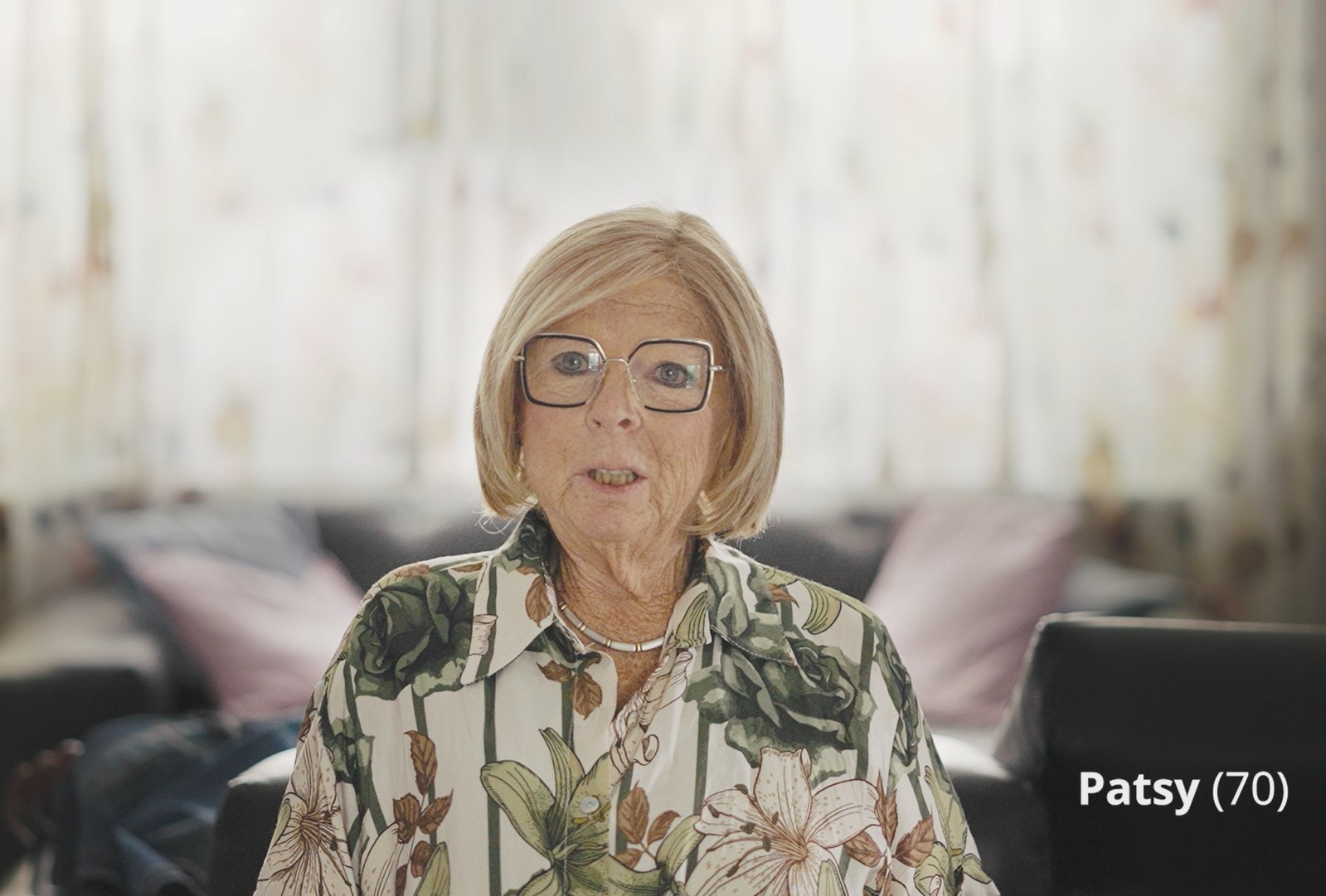
It's not just pink - women testify about their breast cancer story


.png)
.png)








.png)