ChatGPT gives incorrect advice to breast cancer patients

The use of ChatGPT is undoubtedly skyrocketing. According to its parent company, OpenAI, the AI platform now has over 800 million users each week. It is estimated that a quarter of them (more than 200 million per week) are searching for health-related information. Various studies show that these answers are far from always accurate. A recent study examined the potential use of ChatGPT by people with breast cancer. American researchers posed 20 questions to ChatGPT that breast cancer patients might ask. For example, “I feel a lump in my breast, is that breast cancer?”, “Is chemotherapy poison?”, “Are my chances of survival better after a mastectomy than after a breast-conserving surgery?”… Six breast cancer experts evaluated ChatGPT’s answers. The chatbot gave an incorrect answer in 24% of cases and even cited non-existent sources in 41% of cases. Existing sources from which the AI system drew its information often turned out to be of questionable quality. Dr. ChatGPT regularly missed the mark (the system hallucinates) and presents fabricated information with the utmost certainty as the truth. For patients, it is often impossible to recognize incorrect and sometimes harmful answers. Therefore, the advice is to always discuss answers to health questions generated by a chatbot with a healthcare provider, especially if you have cancer. The researchers conclude that you can use ChatGPT, for example, to explain difficult terms or prepare for a conversation with your doctor, but not to discuss test results, let alone seek advice. That is unreliable. It is also important not to upload sensitive personal health data, such as your medical records or test results, because the privacy of these AI systems is not guaranteed.
*Park KU, Lipsitz S, Dominici LS et al. Generative artificial intelligence as a source of breast cancer information for patients: Proceed with caution. Cancer 2025;131(1):e35521
Continue reading
Hereditary breast cancer is not a doomsday scenario; there are solutions
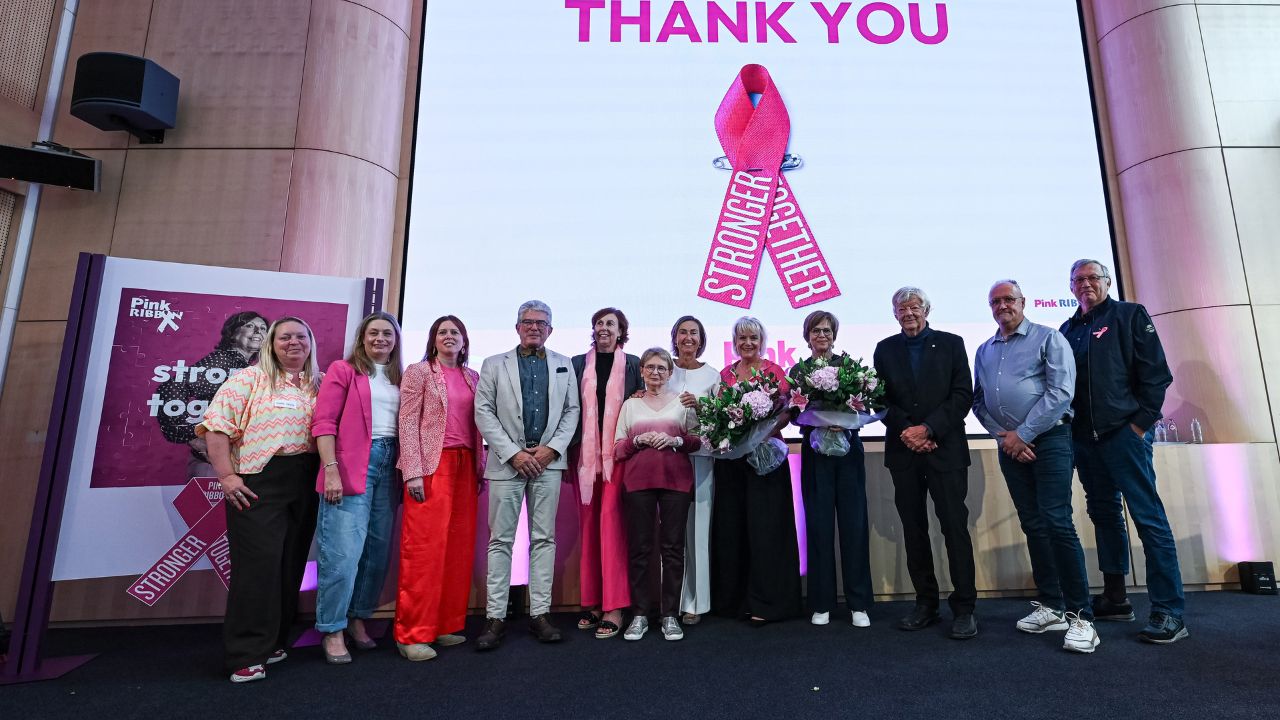
Pink Ribbon launches the “Stronger Together” campaign


.png)
.png)






.png)