Information about breast cancer
Did you feel a lump?
Don't panic! Chances are it is a harmless condition. In fact, 80% of breast lumps are benign. Of course, this does not mean that you should not see a doctor, because even to detect benign conditions, examination is necessary. "A benign breast lump is not a harbinger of breast cancer. The general practitioner or gynecologist will determine whether such a harmless growth should be removed or not," said Ivo Nagels (physician and medical advisor to the Foundation Against Cancer).

Benign conditions are:
- Cysts: fluid-filled cavities that can feel painful, which can disappear and come back depending on your cycle. If they bother you a lot, the fluid can be taken out with a puncture.
- Fat nodule or lipoma: a non-painful accumulation of fat cells.
- Fibro adenoma: a glandular tissue tumor that responds to hormonal fluctuations. Does not usually hurt.
- Mastitis (inflamed mammary gland): a hard, red and painful spot in the breast that often develops during the breastfeeding period and is treated with antibiotics. You often have a fever and feel flu-like.
- Mastopathy: the collective name for several benign conditions in the glandular tissue. Often your breasts feel painful, irregular and tense.
- Breast abscess: usually the result of a breast infection discovered too late. Treatment is with antibiotics.
Source: Vitaya
Continue reading
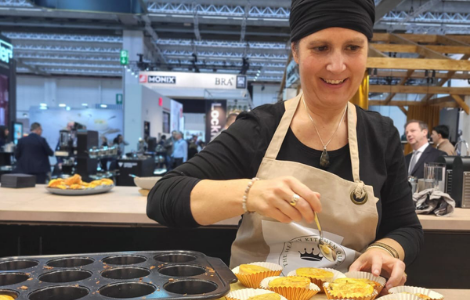
Don't let fear control your life
Creative and culinary talent Lorry Deklerck has advanced breast cancer, but allows fear as little as possible in her life. For her client; Cookware Company - Greenpan, she came up with ten pink recipes for Pink Ribbon.
Françoise testifies about how her annual mammogram, completely changed her life
Françoise testifies about how her life changed completely after her annual mammogram.
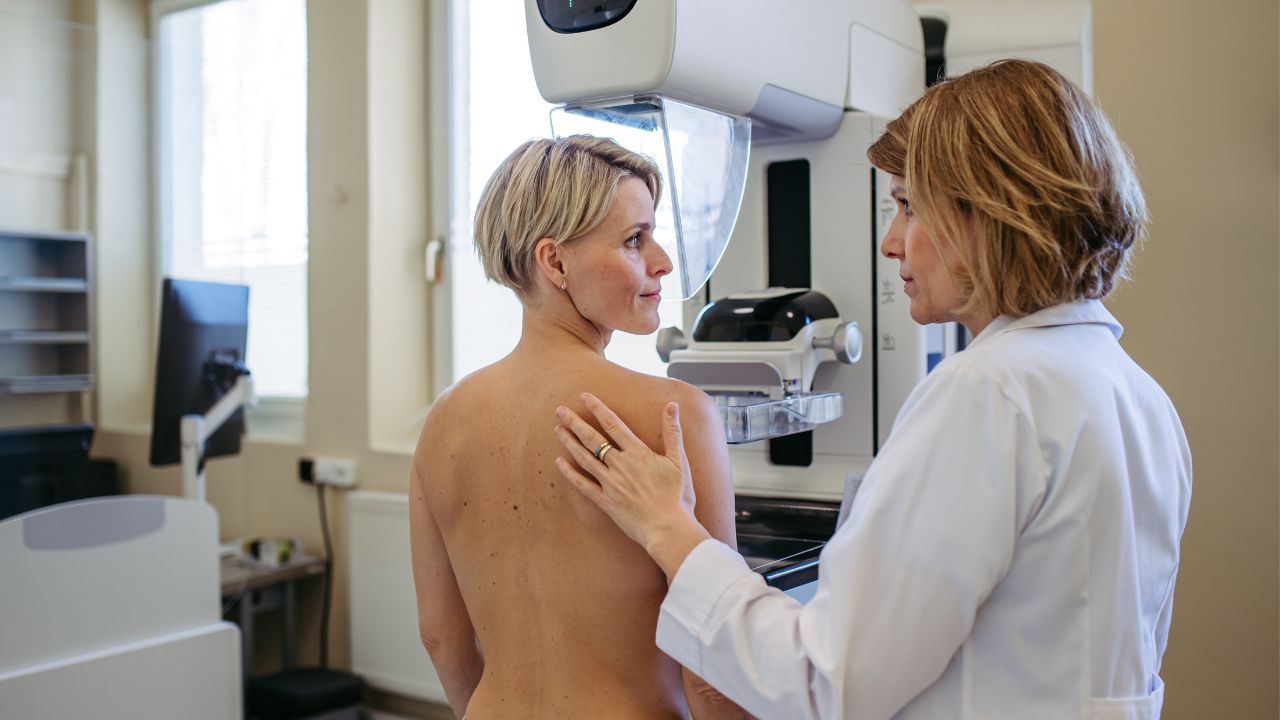
Reduced Anxiety and Depression Following Early Detection of Breast Cancer
When breast cancer is detected at an early stage (stage 1), women are less likely to experience anxiety and depression afterward, according to new research presented in June 2026 at a conference of oncologists in Chicago.



.png)
.png)








.png)