The alarm signals of breast cancer: Do you know all 9 of them?

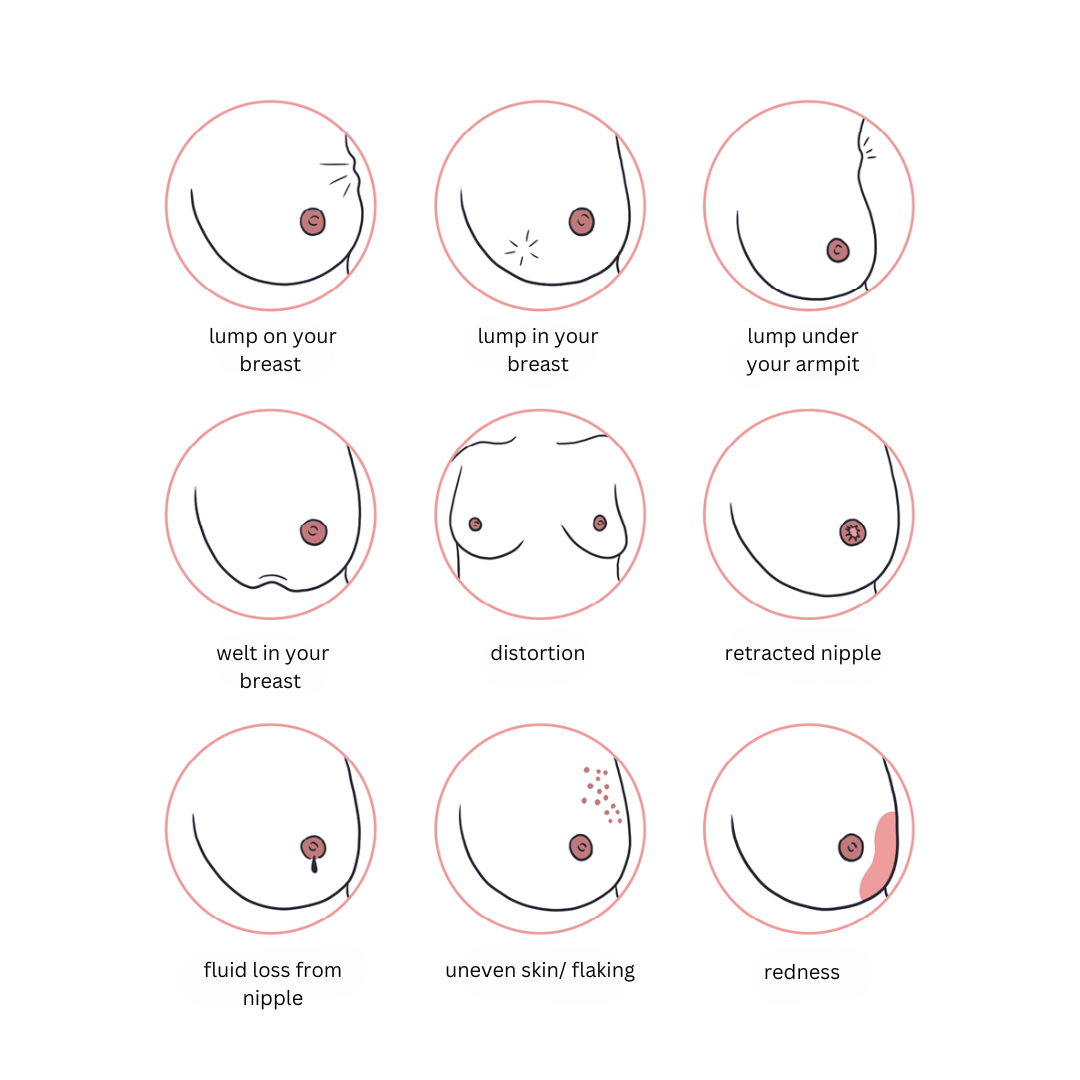
1. You feel a lump, swelling or unusual pain in your chest
Not all lumps are malignant, and breast cancer is usually not felt initially. Unusual and new lumps, swelling and abnormal pain are sufficient reasons for an additional check-up.
2. You see a lump on your breast
With a visible lump, many women think of breast cancer, but again, it may be something else, such as a connective tissue lump or a fatty corpuscle. Have your doctor evaluate the lump for size, shape, hardness and mobility.
3. You feel a lump under your armpit
It is also best to keep an eye on your armpits and the area above the key leg. The glands in your armpit can swell with inflammation. If you feel an unusual lump and are over fifty, see your doctor.
4. You have a dent in your chest
Pits, dents or dimples in the breasts are more noticeable when you raise your hands. Like lumps and swellings, they can be harmless but sometimes malignant. Have an expert look at them.
5. Your breast shape has changed
That both your breasts are not exactly the same shape is perfectly normal. But there is cause for a doctor's visit when a breast suddenly changes shape and/or size.
6. A nipple is suddenly pulled inward
Nipples come in all sizes, types and positions. Again, have it looked at if there is any unusual change, such as if you have recently developed a flat nipple or if a nipple seems to be pulling inward.
7. You have fluid loss from the nipple
Moisture loss from the nipple without recent pregnancy or breastfeeding is a symptom that requires vigilance. Perhaps it has to do with inflammation, possibly your changing hormone levels are partly to blame. But prefer to take the safe bet.
8. Your skin is uneven and feels hard (orange peel)
If the skin on your breasts looks flaky and red, it is called orange peel skin. A word usually used to describe cellulite on the legs and buttocks, but which should set off an alarm bell when it appears on your breasts.
9. The skin of your breast has changed color
Red, blue or green spots: if your breasts show a strange color, it may simply indicate a poorly fitting bra. If it occurs even with a good bra, have a doctor look at it.
Download 9 Warning SignsContinue reading

Look at your breasts a little more often

Trans women also at greater risk of breast cancer