Non-alcoholic beverages do not contain alcohol, but are not always healthy.

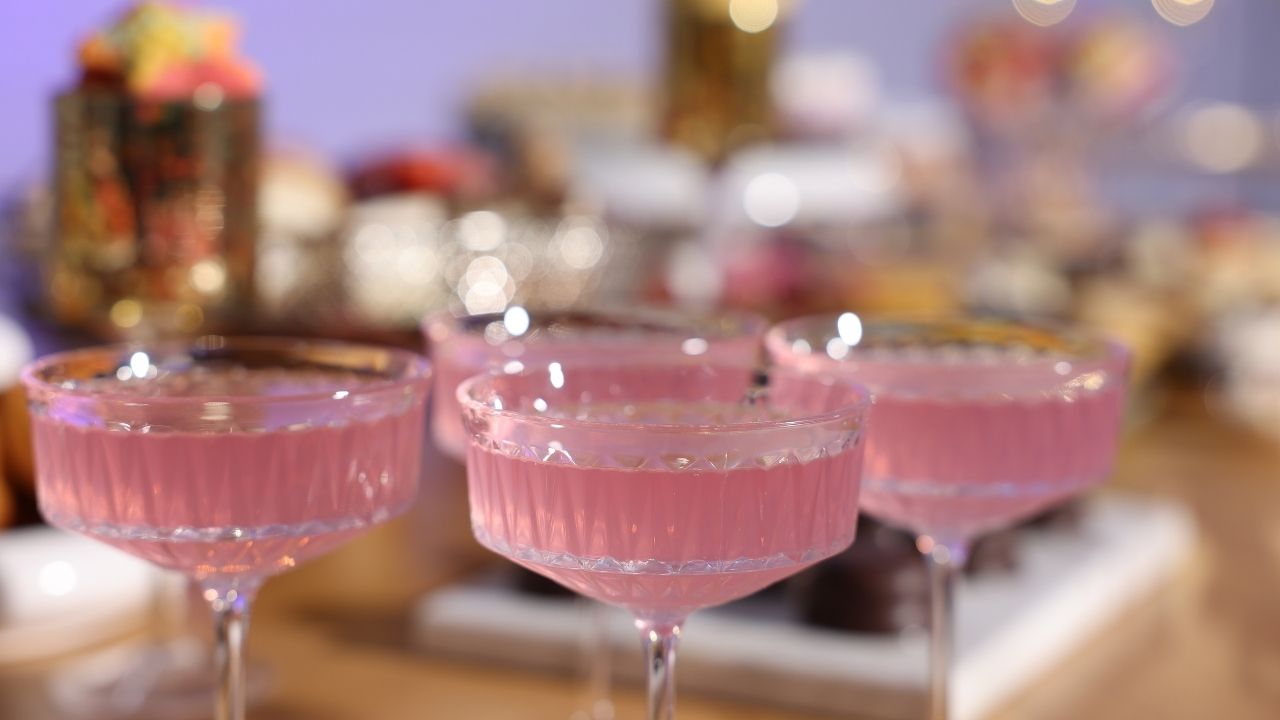
Non-alcoholic beverages, such as non-alcoholic beer, wine, or sparkling wine, contain little to no alcohol (maximum 0.5%). As a result, they often contain fewer calories, as alcohol itself is high in calories. For example, an average alcoholic beer contains 44 kcal per 100 ml, while a non-alcoholic beer contains only 26 kcal. However, sugar is added to many non-alcoholic drinks, making them more like soft drinks and high in calories. For example, a classic cola contains about 42 kilocalories per 100 ml, while the popular non-alcoholic sparkling drink Kidibul contains about 40 kilocalories per 100 ml, which is about the same as sugary cola. Non-alcoholic beer, with about 26 kilocalories per 100 ml, is better for your waistline.
However, most non-alcoholic drinks fall into the category of soft drinks and are not always healthier than soft drinks. That is why it is best to limit your consumption of them. By drinking an alcohol-free alternative, you naturally avoid the negative effects of alcohol on your health, which is their biggest advantage. It is a safe choice, especially if you still have to drive or cycle. If you want to drink healthily, water, coffee, and tea are still the best alcohol-free alternatives, albeit a little boring.
Continue reading

Tying off your breasts, can it hurt?

Start Walking: Tips for Beginners



.png)
.png)








.png)